How to Cut Your Grocery Bill Without Couponing
If you’ve ever looked at your grocery receipt and wondered how you spent so much money on so little food, you’re definitely not alone. Grocery prices seem to keep climbing, and many families are feeling the squeeze.
When people start looking for ways to save money, couponing is often the first suggestion. But if you’ve ever spent hours clipping coupons or scrolling through digital deals, you know it can feel like a part-time job.

The good news? You don’t have to coupon to significantly lower your grocery bill.
In fact, some of the biggest grocery savings come from simple habits like meal planning, reducing food waste, shopping your pantry, and avoiding impulse purchases. These practical strategies take less time than couponing and can save your family hundreds of dollars each year.
Here are my favorite ways to cut your grocery bill without clipping a single coupon.
Why Couponing Isn’t Necessary Anymore
Many shoppers find that the time spent searching for deals, clipping coupons, and matching store promotions simply isn’t worth the savings.
The majority of coupons are for highly processed foods, snacks, and convenience items. If you’re trying to feed your family healthier meals, you may find very few coupons for the foods you actually buy.
Fresh produce, meat, dairy, and pantry staples often have fewer coupon opportunities than packaged foods.
The truth is that your everyday shopping habits have a much bigger impact on your grocery budget than coupons do. Meal planning, reducing food waste, and shopping with intention can save hundreds of dollars throughout the year without requiring extra time or effort.
Be sure to check out my Meal Planner Printable
Start With a Weekly Meal Plan
One of the easiest ways to save money on groceries is to create a simple weekly meal plan. When you know exactly what you’ll be making for dinner each night, you’re far less likely to make unnecessary purchases at the store.
The key is to start with what you already have.
Before planning meals, take a quick look through your pantry, refrigerator, and freezer. Maybe you already have a package of chicken, a few cans of beans, or pasta that can become the foundation of several meals for the week.
Don’t forget to check your freezer! You might find some frozen meals or vegetables you can incorporate into your weekly plan.
This approach helps reduce food waste while keeping grocery spending under control.
Helpful Products to Make it Easier
Meal Planning Notebook
No products found.
Magnetic Meal Planner
No products found.
Grocery List Pad
No products found.
Shop Your Pantry Before Going to the Store
Many families unknowingly spend money buying items they already own.
A quick pantry check before grocery shopping can prevent duplicate purchases and help you use food that’s been sitting on the shelf for months.
Think of your pantry as your first grocery store.
Before adding ingredients to your shopping list, look for meals you can create using what you already have. That half-used bag of rice, can of tomatoes, or frozen vegetables can often become part of a complete meal.
The less food that expires before you use it, the more money stays in your pocket. This simple habit can significantly lower your grocery costs over time without requiring any major lifestyle changes.
Always Shop With a Grocery List
Walking into a grocery store without a list is one of the fastest ways to overspend.
Stores are designed to encourage impulse purchases, from seasonal displays to end-cap promotions and tempting bakery sections.
A grocery list serves as a spending plan for your shopping trip. When you know exactly what you need, it’s easier to stay focused and avoid throwing random items into your cart. Even small impulse purchases can add up quickly over the course of a month.
For even better results, organize your list by store section:
- Produce
- Dairy
- Meat
- Frozen foods
- Pantry items
- Household supplies
This saves time while helping you stick to your grocery budget.
Grab my MEAL PLANNER BINDER
Want to make meal planning even easier? My Meal Planning Binder helps you organize weekly meals, grocery lists, pantry inventory, favorite recipes, and more…all in one place. It’s designed to simplify meal planning, reduce food waste, and help you save money on groceries week after week.
Buy Generic Brands Whenever Possible
Many shoppers automatically reach for familiar name brands without comparing alternatives. In reality, store brands are often produced by the same manufacturers and contain very similar ingredients.
Switching to generic products can create substantial grocery savings over time. While the price difference may seem small on individual items, those savings add up when applied to dozens of purchases each week.
Some of the easiest products to buy generic include:
- Flour
- Sugar
- Pasta
- Oats
- Canned vegetables
- Baking ingredients
- Rice
There may be a few products where you prefer a specific brand, and that’s perfectly fine! Making this switch with even a few items you purchase regularly can really add up.
Use Grocery Pickup Instead of Shopping Inside
If you’ve ever walked into the store for three items and left with twenty, you’re not alone. Grocery pickup removes many of the temptations that lead to impulse purchases.
When shopping online, you can see your total as you add items to your cart. This makes it easier to stay within your grocery budget and remove unnecessary purchases before checking out.
Grocery pickup also saves time. Instead of wandering through aisles and making last-minute decisions, you can place your order from home and pick it up when it’s convenient.
Many stores now offer free pickup, making it an easy way to save both money and time.
Stop Throwing Food Away
One of the biggest grocery budget mistakes isn’t what you buy, it’s what you throw away!
Every time spoiled produce, leftovers, or forgotten ingredients end up in the trash, you’re literally throwing money away.
A good first step is storing food properly. Fresh fruits and vegetables often last much longer when stored correctly, and leftovers should be placed in clear containers where they’re easy to see and remember.
Try creating a habit of checking your refrigerator once or twice each week.

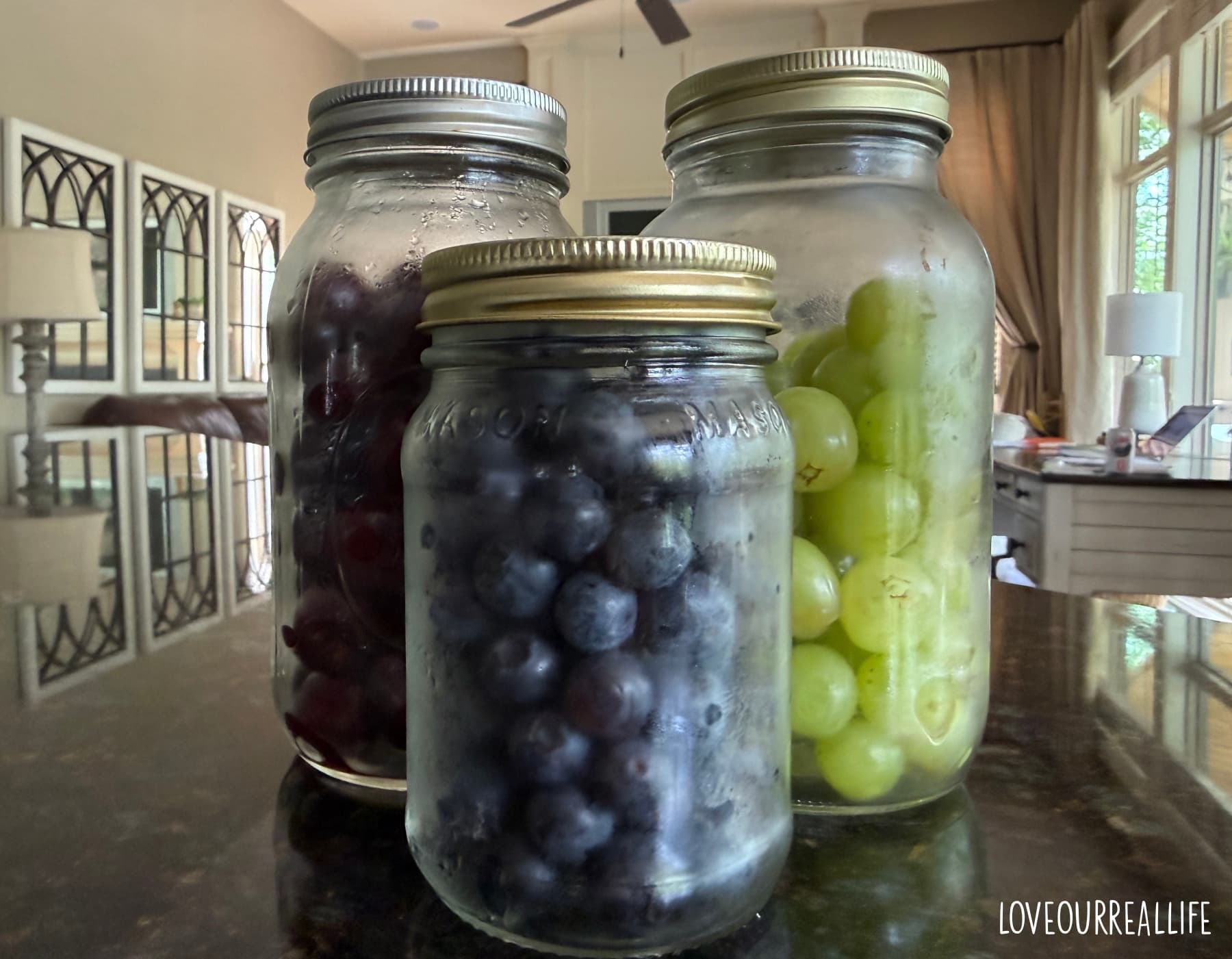
PRO TIP: I love to store fruit in mason jars each week. Wash fruit well, let dry completely, then store fruit in jars in fridge. I find this extends the life by several days!
Helpful Products to Make it Easier
Glass Storage Containers
No products found.
Mason Jars
No products found.
Reusable storage bags
No products found.
Look for ingredients that need to be used soon and build meals around them. A simple stir-fry, soup, casserole, or pasta dish can often use up ingredients before they go bad.
Build a Simple Pantry of Budget Staples
Keeping a well-stocked pantry is one of the best ways to reduce grocery spending.
When you have versatile ingredients on hand, you can create meals without making extra trips to the store or ordering takeout because “there’s nothing to eat.”
Some of my favorite pantry staples include:
- Rice
- Pasta
- Dried or canned beans
- Oats
- Peanut butter
- Canned tomatoes
- Chicken broth
- Potatoes
- Frozen vegetables
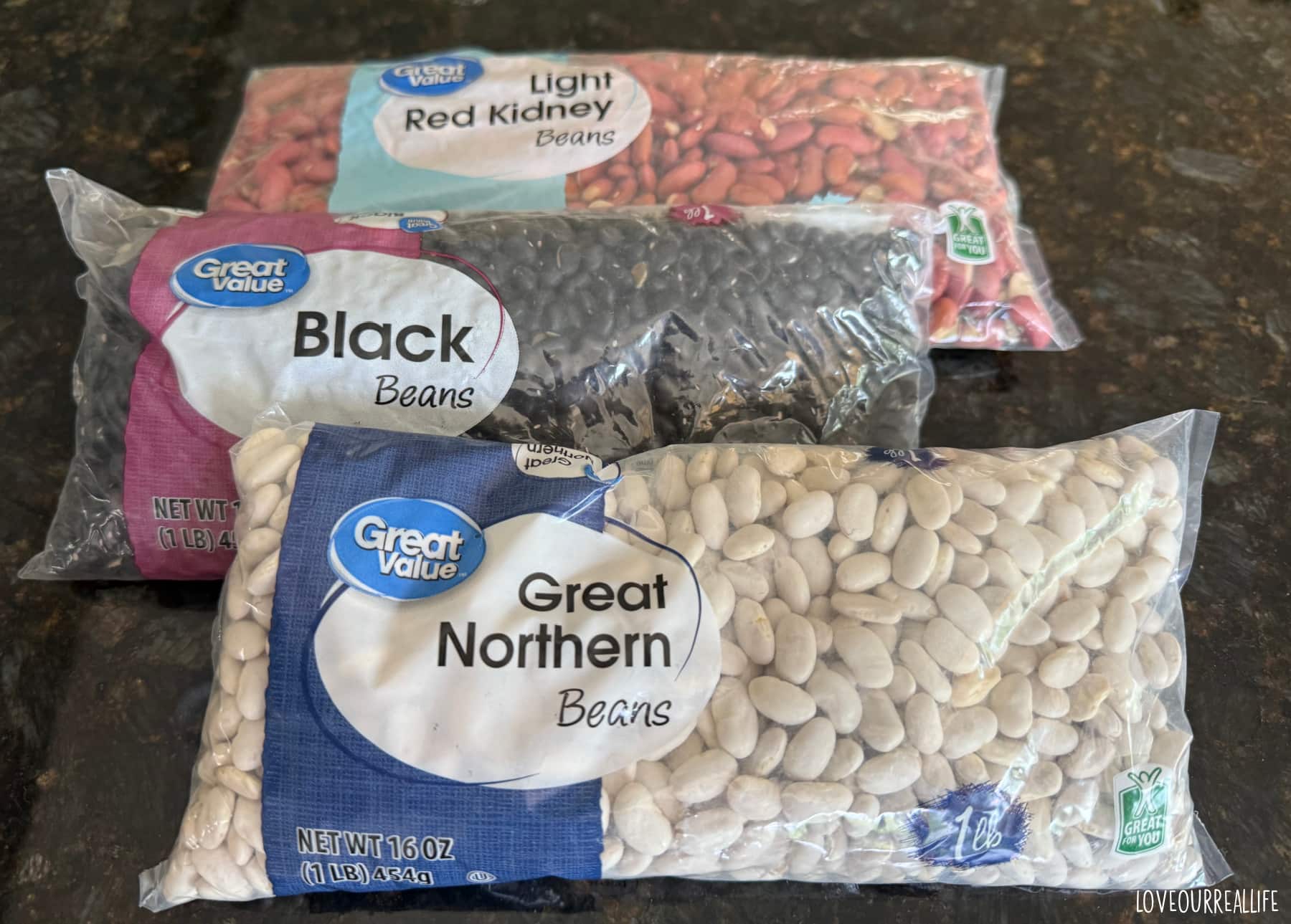
When your pantry is stocked with basics, it’s easier to throw together a meal even during busy weeks. You’ll save money on groceries while reducing the temptation to spend money on restaurant meals.
Buy Meat Only When It’s On Sale
For many families, meat is one of the most expensive items on the grocery bill. Paying full price every week can quickly eat up a large portion of your grocery budget.
Instead of buying meat as you need it, watch for sales and stock up when prices are low. Purchasing larger quantities during sales allows you to take advantage of the best prices and avoid paying premium prices later.
A freezer can become one of your greatest money-saving tools. Consider dividing large packages into meal-sized portions before freezing them. This makes meal planning easier.
Helpful Products to Make it Easier
Freezer Labels
No products found.
Vacuum sealer
No products found.
Pantry Containers
No products found.
You can also stretch your meat budget by using smaller portions. Rather than making meat the centerpiece of every meal, try incorporating it into dishes like:
- Soups
- Stir-fries
- Pasta dishes
- Tacos
- Casseroles
You’ll still enjoy the flavor while lowering your grocery costs.
Have a “Pantry Challenge” Week Every Month
A pantry challenge is exactly what it sounds like: a week where you focus on using the food you already have instead of buying more.
Most households have far more food stored away than they realize. There are often forgotten cans, boxes, frozen foods, and baking ingredients waiting to be used. A pantry challenge helps you use these items before purchasing replacements.
You don’t have to avoid grocery shopping completely. You may still need fresh produce, milk, or a few essentials. The goal is simply to build meals around foods you already own and reduce unnecessary spending.
It’s one of the fastest ways to cut your grocery bill without feeling deprived.
Track Your Grocery Spending
You can’t improve what you don’t measure.
If you’re trying to save money on groceries, tracking your spending can provide valuable insight into where your money is actually going.
Many people underestimate how much they spend on food each month. Small trips to the grocery store, warehouse club, convenience store, and coffee shop can add up quickly.
Tracking your purchases helps reveal spending patterns you may not notice otherwise.
You don’t need anything fancy. A simple notebook, spreadsheet, or printable budget tracker can work well. Record each grocery trip and review your totals at the end of the month.
Limit Convenience Foods
Convenience foods can be helpful during busy seasons of life, but they often come with a much higher price tag. The more preparation someone else does for you, the more you’ll usually pay.
Items like pre-cut fruit, bagged salad kits, individually packaged snacks, and ready-made meals may save a few minutes, but they can dramatically increase grocery spending.
That doesn’t mean you need to make everything from scratch. Instead, look for areas where small changes could save money. For example:
- Buy whole carrots instead of baby carrots.
- Slice your own fruit.
- Portion snacks into reusable containers.
- Prepare simple lunches at home.
Making a few of these swaps can lower your grocery costs without adding a lot of extra work to your routine.
Shop Seasonal Produce
Fresh fruits and vegetables are often much cheaper when they’re in season. Buying seasonal produce allows you to enjoy better flavor while spending less money.
For example, strawberries tend to be more affordable during the spring and early summer, while apples are often at their lowest prices during the fall.
If your favorite fruits or vegetables aren’t in season, don’t overlook frozen options. Frozen produce is typically picked at peak freshness and can be just as nutritious as fresh produce.
It’s often less expensive and lasts much longer, helping reduce food waste.
Common Grocery Budget Mistakes
Even if you’re meal planning and trying to be intentional with your spending, a few common grocery shopping mistakes can quietly sabotage your budget. The good news is that once you’re aware of these habits, they’re often easy to fix.
- Shopping when you’re hungry
- Not checking your pantry first
- Making multiple grocery trips each week
- Buying food for your “fantasy self” (Instead of shopping based on who you hope to be, shop based on your actual habits and schedule.)
- Ignoring leftovers
- Falling for sales on things you don’t need
- Focusing only on price vs. cost per unit
How to Cut Your Grocery Bill Conclusion
Cutting your grocery bill doesn’t have to involve hours of clipping coupons or chasing every sale. Small changes like meal planning, shopping your pantry first, reducing food waste, and sticking to a grocery list can make a big difference over time.
Start by choosing just one or two of these grocery budget tips and build from there.
As those habits become part of your routine, you’ll likely find that saving money on groceries becomes much easier, and your monthly food budget will thank you for it.
Get Access to the FREE Printables Library
When you join our newsletter!